How to Choose the Right Game
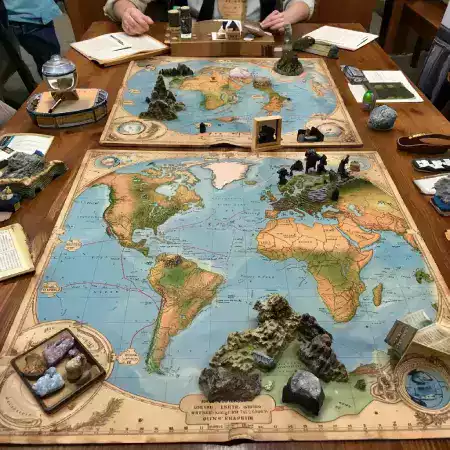
Consider the Age Group
For young children (6-8), choose games with simple rules and colorful visuals. Teenagers prefer strategic challenges, while adults enjoy complex scenarios.
Match Player Count
Family games work best with 2-6 players. For classrooms, look for games that accommodate 4-8 players. Solo games are perfect for individual learning.
Think About Learning Goals
Want to teach Indian geography? Choose games featuring specific regions. For general knowledge, pick games covering multiple countries and cultures.
Educational Benefits of Geographic Games
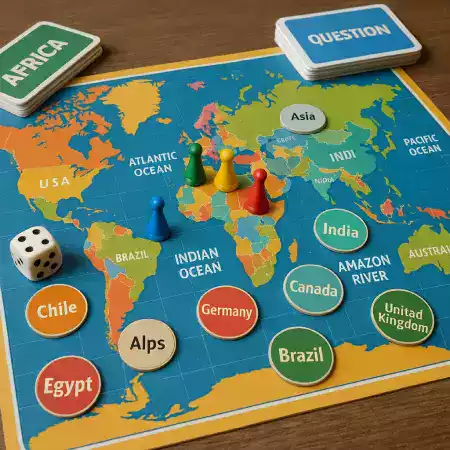
Enhanced Spatial Awareness
Players develop better understanding of distances, directions, and relationships between places. This improves navigation skills and geographic literacy.
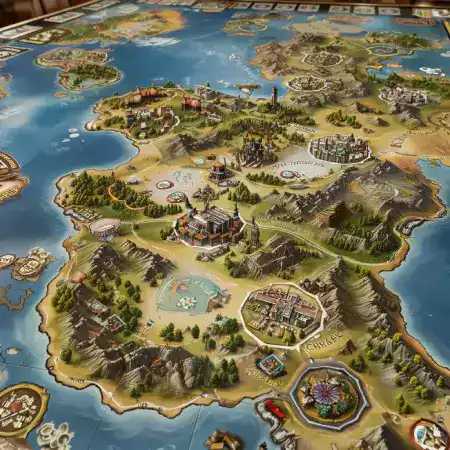
Cultural Understanding
Games introduce players to different cultures, traditions, and historical events. This fosters empathy and global awareness from an early age.

Critical Thinking Skills
Strategic gameplay requires planning, problem-solving, and decision-making. These skills transfer to academic and real-world situations.
Games by Age Group
Ages 6-8: Learning Through Play
Young children learn best through colorful, interactive experiences. Our games for this age group feature simple rules, bright visuals, and quick play sessions that keep attention spans engaged.
Recommended: Urban Puzzle Master, Street Food Safari
Ages 9-12: Building Knowledge
Pre-teens are ready for more complex strategies and deeper learning. Games introduce historical context, cultural details, and strategic thinking while maintaining fun gameplay.
Recommended: Treasure Hunt Express, Ancient Secrets Quest
Ages 13+: Strategic Challenges
Teenagers and adults enjoy complex scenarios, competitive gameplay, and in-depth cultural exploration. These games offer sophisticated strategies and rich educational content.
Recommended: Railway Empire Builder, Coastal Conquest
Setting Up Your First Game Night
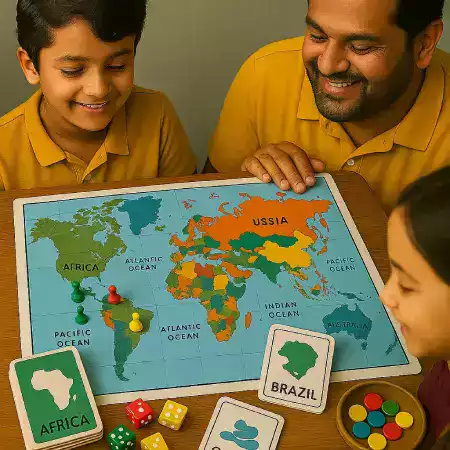
Choose the Right Time
Pick a relaxed evening when everyone can focus. Weekends work best for longer games, while weekdays are perfect for quick 30-minute sessions.
Create the Atmosphere
Set up a comfortable space with good lighting. Add some snacks and drinks to make it a social event. Consider playing Indian classical music in the background.
Read the Rules Together
Take time to understand the game as a group. Start with a practice round to get comfortable with the mechanics before playing for real.
For Educators & Schools
Geographic board games are powerful educational tools that make learning engaging and memorable. Here's how teachers across India are using them effectively.
Classroom Integration
Use games as rewards, review activities, or introduction to new topics. They work well in small groups and can be adapted for different learning levels.
Assessment Tool
Observe how students apply geographic knowledge during gameplay. This provides insights into their understanding that traditional tests might miss.
Cross-Curricular Learning
Connect games to history, economics, and social studies. Many games naturally incorporate multiple subjects, making them ideal for integrated learning.
What Parents & Teachers Say

"My students in Pune love the Mumbai Map Quest game. It's made geography their favorite subject!"
"Perfect for our family game nights. The kids learn while having fun, and we adults enjoy the strategy too."
"The educational value is incredible. My daughter now knows more about Indian cities than I do!"